Introduction to Health Technology
Health technology refers to the application of organized knowledge and skills in the form of devices, medicines, vaccines, procedures, and systems designed to solve a health problem and improve quality of life. Its significance in modern healthcare cannot be overstated, as it enhances patient care, streamlines operations, and offers innovative solutions for various health challenges. Over the past few decades, health technology has evolved dramatically, transitioning from rudimentary tools to sophisticated systems that integrate artificial intelligence and telemedicine, paving the way for more personalized and efficient care.The major components that constitute health technology include medical devices, electronic health records, telehealth services, and health information systems.
These elements work synergistically to improve diagnosis, treatment, and overall patient management.
Types of Health Technologies, Health Technology
Various types of health technologies play crucial roles in enhancing healthcare delivery. Notable examples include:
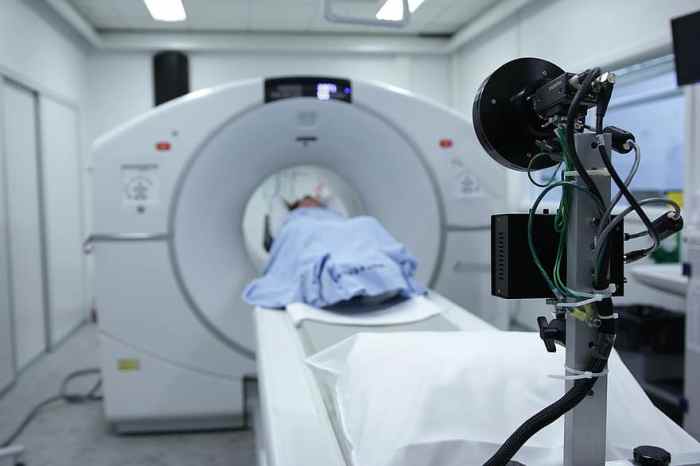
- Medical devices such as MRI machines, pacemakers, and insulin pumps.
- Telemedicine platforms that allow remote consultations and monitoring of patients.
- Health applications (apps) that enable users to track their fitness, medication schedules, and health metrics.
Electronic health records (EHR) are a pivotal component in modern healthcare, facilitating seamless information sharing among healthcare providers, which leads to improved patient care and outcomes. Furthermore, wearable technology, such as smartwatches and fitness trackers, significantly impacts health monitoring by allowing users to track vital signs and physical activity in real time, promoting proactive health management.
Benefits of Health Technology
The integration of health technology brings numerous benefits, including improved patient outcomes and enhanced operational efficiency. By leveraging advanced tools, healthcare providers can deliver more precise and timely interventions.
- Health technology improves diagnostic accuracy, reducing the likelihood of errors.
- It enhances the efficiency of healthcare delivery, allowing providers to manage more patients effectively.
- Cost savings can be realized through reduced hospital readmission rates and streamlined administrative processes.
Real-world examples of successful health technology interventions include the implementation of telehealth services during the COVID-19 pandemic, which enabled continuous care while minimizing the risk of virus transmission.
Challenges in Health Technology Implementation
Despite its advantages, several challenges impede the widespread adoption of health technology in clinical settings. Common barriers include:
- Resistance to change among healthcare professionals, often stemming from a lack of familiarity with new technologies.
- Cybersecurity issues pose significant risks, as breaches of patient data can lead to severe consequences.
- The necessity for comprehensive training programs to ensure that healthcare professionals can effectively utilize new technologies.
Addressing these challenges is essential for maximizing the potential of health technology in improving patient care.
Future Trends in Health Technology
Emerging technologies are poised to shape the future of healthcare significantly. Notable trends include the increasing incorporation of artificial intelligence and machine learning into diagnostic processes and personalized medicine.
| Current Trends | Future Predictions |
|---|---|
| Telemedicine expansion | Widespread use of virtual reality for immersive patient care experiences |
| Increased use of wearables for health tracking | Integration of AI in predictive analytics for health outcomes |
| Growth of mobile health applications | Personalized medicine driven by genomics and big data analytics |
Health Technology and Patient Engagement
Health technology plays a vital role in fostering better patient engagement and communication. By utilizing mobile health applications, patients can actively participate in their own care, track their progress, and communicate with healthcare providers more effectively.Methods to enhance patient participation include:
- Providing access to educational resources through health apps.
- Implementing reminders for medication and appointments to encourage adherence.
- Facilitating two-way communication between patients and providers via messaging features in health platforms.
Case studies have demonstrated that patients who engage with health technologies tend to have better outcomes, showcasing the importance of integrating these tools into everyday healthcare practices.
Regulatory and Ethical Considerations
The regulatory framework governing health technology is critical to ensuring safety and efficacy. Organizations such as the FDA oversee the approval processes for medical devices and software to protect patient safety.Ethical implications concerning patient privacy and consent remain paramount. It is essential to implement robust policies that safeguard personal health information and ensure informed consent is obtained for data usage.Best practices for ensuring ethical use of health technology include:
- Implementing stringent data protection measures.
- Conducting regular audits to ensure compliance with regulatory standards.
- Providing transparent communication to patients regarding how their data will be used.
Health Technology in Global Health
Health technology is transforming healthcare delivery, particularly in low-resource settings. Innovative solutions, such as mobile clinics and telehealth services, are bridging gaps in access to care.The adoption of health technology varies across different regions of the world, influenced by factors such as infrastructure and funding. International organizations play a crucial role in promoting health technology initiatives, supporting local governments in implementing effective solutions.Overall, the integration of health technology presents significant opportunities and challenges that require ongoing attention and innovation to ensure equitable and effective healthcare delivery worldwide.