Automotive Industry Overview
The automotive industry is constantly evolving, influenced by technological advancements and changing consumer preferences. Current trends include the rise of electric vehicles (EVs), increased emphasis on sustainability, and the integration of advanced technologies such as artificial intelligence and connectivity. As consumers become more environmentally conscious, automakers are adapting their strategies to align with these values.In 2023, global automotive sales reached approximately 80 million units, with production numbers reflecting a steady recovery post-pandemic.
The surge in electric vehicle sales has reshaped the market dynamics, accounting for over 10% of total vehicle sales worldwide. This shift has significant implications for traditional internal combustion engine vehicles, as manufacturers reallocate resources to meet the growing demand for EVs.
Current Trends and Innovations
The automotive sector is witnessing several key innovations that are driving its transformation:
- Electrification: A notable trend is the shift towards electric and hybrid vehicles, which promise lower emissions and greater efficiency.
- Autonomous Technology: The development of self-driving cars is advancing rapidly, with companies investing heavily in research and testing.
- Connectivity: Advanced connectivity features are becoming standard, allowing vehicles to communicate with each other and with infrastructure.
- Sustainability Practices: More manufacturers are adopting sustainable practices, including the use of recycled materials in production.
Automotive Manufacturing Processes
The process of manufacturing vehicles is intricate and involves several crucial steps to ensure quality and efficiency. Each phase of production plays a vital role in the final outcome of the vehicle.The key steps in the manufacturing process include:
- Design and Engineering: Initial vehicle concepts are created, focusing on aesthetics, safety, and performance.
- Prototyping: Physical models are built for testing and refinement.
- Production Planning: Detailed plans are created to streamline the manufacturing process.
- Assembly: Various components are brought together to form the final vehicle.
- Quality Control: Each vehicle undergoes rigorous testing to meet safety and quality standards.
Technologies in Modern Production
Modern automotive production leverages numerous technologies to enhance efficiency and precision:
- Robotics: Automated robots are now commonplace on assembly lines, performing tasks with high accuracy.
- 3D Printing: This technology is used for rapid prototyping and producing custom parts.
- Artificial Intelligence: AI algorithms optimize supply chain management and production schedules.
Challenges in Vehicle Assembly
Despite advancements, manufacturers face several challenges during assembly:
- Supply Chain Disruptions: Global events can affect parts availability.
- Labor Shortages: Skilled labor is increasingly hard to find, impacting production rates.
- Quality Assurance: Maintaining high standards while scaling production can be daunting.
Automotive Technologies
The integration of cutting-edge technologies in the automotive industry is transforming vehicle design and functionality. AI, machine learning, and the Internet of Things (IoT) play significant roles in this evolution.
Role of AI and Machine Learning
Artificial intelligence and machine learning are revolutionizing automotive design processes:
- Design Optimization: AI algorithms analyze data to enhance vehicle aesthetics and performance.
- Predictive Maintenance: Machine learning models can predict potential vehicle issues before they arise, improving reliability.
Advancements in Autonomous Vehicle Technology
The quest for fully autonomous vehicles has led to remarkable advancements:
- Sensor Technology: Lidar and radar systems provide vehicles with a 360-degree view of the environment.
- Machine Learning: This technology enables vehicles to learn from vast amounts of driving data, improving their decision-making capabilities.
Integration of IoT in Automotive Systems
The IoT’s role in enhancing vehicle connectivity cannot be overlooked:
- Real-Time Data Sharing: Vehicles can communicate with each other and infrastructure to improve traffic flow.
- Enhanced User Experience: IoT integration allows for personalized driving experiences through connected apps.
Automotive Safety Features
Safety is a paramount concern in the automotive industry, and manufacturers continuously innovate to enhance vehicle safety.
Latest Safety Technologies
Incorporating the latest safety technologies helps reduce accident rates:
- Automatic Emergency Braking: This system detects impending collisions and applies brakes automatically.
- Lane Keep Assist: This feature helps drivers maintain their lane by providing steering assistance.
Importance of Crash Testing and Safety Ratings
Crash testing is a critical component of vehicle safety validation:
- Regulatory Compliance: Vehicles must meet stringent safety standards before reaching the market.
- Consumer Awareness: Safety ratings influence consumer purchasing decisions, making them crucial for manufacturers.
Active vs. Passive Safety Features, Automotive
Understanding the difference between active and passive safety features is essential:
Active safety features help prevent accidents, while passive safety features mitigate the impact of an accident once it occurs.
- Active Safety: Includes technologies such as stability control and collision avoidance systems.
- Passive Safety: Encompasses airbags, seat belts, and crumple zones that protect occupants during a crash.
Environmental Impact of Automotive
The automotive industry faces significant challenges regarding environmental sustainability. Traditional vehicles contribute to pollution and climate change, prompting a shift towards greener alternatives.
Environmental Challenges of Traditional Vehicles
Traditional internal combustion engine vehicles emit harmful pollutants that negatively impact air quality:
- Greenhouse Gases: These vehicles are major contributors to carbon dioxide emissions.
- Airborne Pollutants: Emissions from vehicles contribute to smog and health problems.
Benefits of Hybrid and Electric Vehicles
Hybrid and electric vehicles offer a solution to reduce emissions significantly:
- Lower Emissions: EVs produce no tailpipe emissions, contributing to cleaner air.
- Energy Efficiency: Electric motors are more efficient than traditional engines, consuming less energy over time.
Regulations Affecting Automotive Emissions
Governments are implementing regulations to control automotive emissions:
- Emission Standards: Stricter standards are being set to limit allowable emissions from vehicles.
- Incentives for Electric Vehicles: Many countries offer tax credits and rebates to encourage EV adoption.
Automotive Consumer Trends
The preferences and behaviors of consumers in the automotive market are evolving. Understanding these trends is crucial for manufacturers aiming to meet customer expectations.
Changing Preferences in the Automotive Market
Consumers are shifting their preferences towards more sustainable and tech-savvy vehicles:
- Demand for EVs: There is a growing interest in electric and hybrid vehicles as consumers become more environmentally conscious.
- Tech Features: Advanced infotainment systems and connectivity are becoming essential features for buyers.
Impact of Social Media on Automotive Purchases
Social media plays a significant role in shaping consumer decisions:
- Influencer Marketing: Influencers can sway public perception and drive interest in specific vehicles.
- User Reviews: Online reviews and testimonials are critical in consumer decision-making processes.
Ownership vs. Subscription Models
The automotive industry is witnessing a rise in alternative ownership models:
- Traditional Ownership: Many consumers still prefer owning their vehicles for long-term investment.
- Subscription Services: Increasingly popular, these services offer flexibility and access to various vehicle models without long-term commitment.
Future of the Automotive Industry
The automotive industry is on the brink of transformative changes that will shape its future landscape. Anticipating these trends can help stakeholders adapt and thrive.
Future Trends Shaping the Automotive Landscape
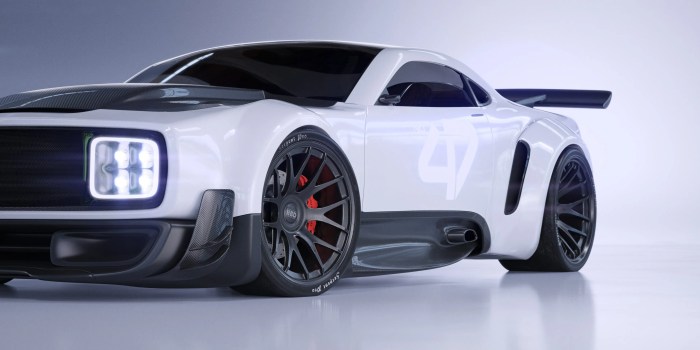
Several trends are expected to influence the industry’s direction:
- Increased Electrification: The push for electric vehicles will continue, with advancements in battery technology.
- Smart Cities: The integration of vehicles with urban infrastructure will enhance mobility and efficiency.
Potential Disruptions in the Automotive Market
Emerging technologies may disrupt traditional automotive models:
- Shared Mobility: The rise of ride-sharing services could reduce individual vehicle ownership.
- New Entrants: Tech companies entering the automotive space may challenge established manufacturers.
Vision for Sustainable Practices in Automotive Development
Sustainability will play a crucial role in shaping the future of the automotive industry:
- Eco-friendly Materials: Manufacturers are exploring sustainable materials for vehicle production.
- Circular Economy: Implementing recycling initiatives can minimize waste and enhance resource efficiency.