Nutrition and Diet
Healt Tips – A balanced diet is essential for overall health and well-being. It provides our bodies with the nutrients needed to function effectively, maintain energy levels, and reduce the risk of chronic diseases. A well-rounded diet includes a variety of foods that supply the right balance of proteins, carbohydrates, fats, vitamins, and minerals.
Importance of a Balanced Diet
Eating a diverse range of nutritious foods is vital for sustaining health. Here’s how a balanced diet contributes to overall wellness:
- Energy Levels: Foods rich in whole grains, fruits, and vegetables provide sustained energy throughout the day.
- Weight Management: A diet that emphasizes nutrient-dense foods helps maintain a healthy weight.
- Disease Prevention: Consuming a variety of foods can help lower the risk of chronic illnesses such as diabetes and heart disease.
Nutritious Foods and Their Benefits
Integrating specific foods into your diet can significantly boost your health. Here are some examples:
- Leafy Greens: Spinach and kale are high in vitamins A, C, and K.
- Lean Proteins: Chicken and fish provide essential amino acids without excess saturated fat.
- Whole Grains: Brown rice and quinoa are excellent sources of fiber and help with digestion.
Meal Planning Techniques
Effective meal planning encourages healthy eating habits and prevents poor food choices. Here are some strategies:
- Set a Schedule: Plan your meals for the week ahead to avoid last-minute unhealthy decisions.
- Grocery List: Create a shopping list based on your meal plan to stick to healthy options.
- Batch Cooking: Prepare meals in bulk and freeze them for convenience, ensuring you have healthy options readily available.
Physical Activity
Regular physical activity is crucial for maintaining a healthy lifestyle. It not only improves physical fitness but also enhances mental well-being. Engaging in different types of exercises can provide various health benefits, making it important to find an enjoyable routine.
Types of Exercises and Their Benefits
Different forms of exercise offer unique advantages:
- Aerobic Exercise: Activities like running and cycling improve cardiovascular health.
- Strength Training: Lifting weights builds muscle mass and boosts metabolism.
- Flexibility Exercises: Yoga and stretching enhance flexibility and reduce injury risk.
Weekly Workout Plan for Beginners
Creating a realistic workout plan is essential for beginners. A simple weekly routine could look like this:
- Monday: 30 minutes of brisk walking.
- Tuesday: Strength training focusing on major muscle groups.
- Wednesday: Rest day or light yoga.
- Thursday: 30 minutes cycling.
- Friday: Full-body strength training.
- Saturday: Group sports or outdoor activities.
- Sunday: Rest or recreational walking.
Activities That Promote a Healthy Lifestyle
Incorporating various activities into your routine promotes a holistic approach to health:
- Join a local sports team for social interaction and exercise.
- Take up dancing as a fun way to stay active.
- Engage in outdoor activities like hiking or swimming during weekends.
Mental Well-being
Mental health is just as important as physical health. Maintaining mental wellness involves adopting practices that promote a positive mindset and reduce stress.
Practices for Mental Health
Several practices can help maintain mental well-being:
- Regular Exercise: Physical activity releases endorphins, which improve mood.
- Healthy Relationships: Nurturing social connections can provide emotional support and reduce feelings of isolation.
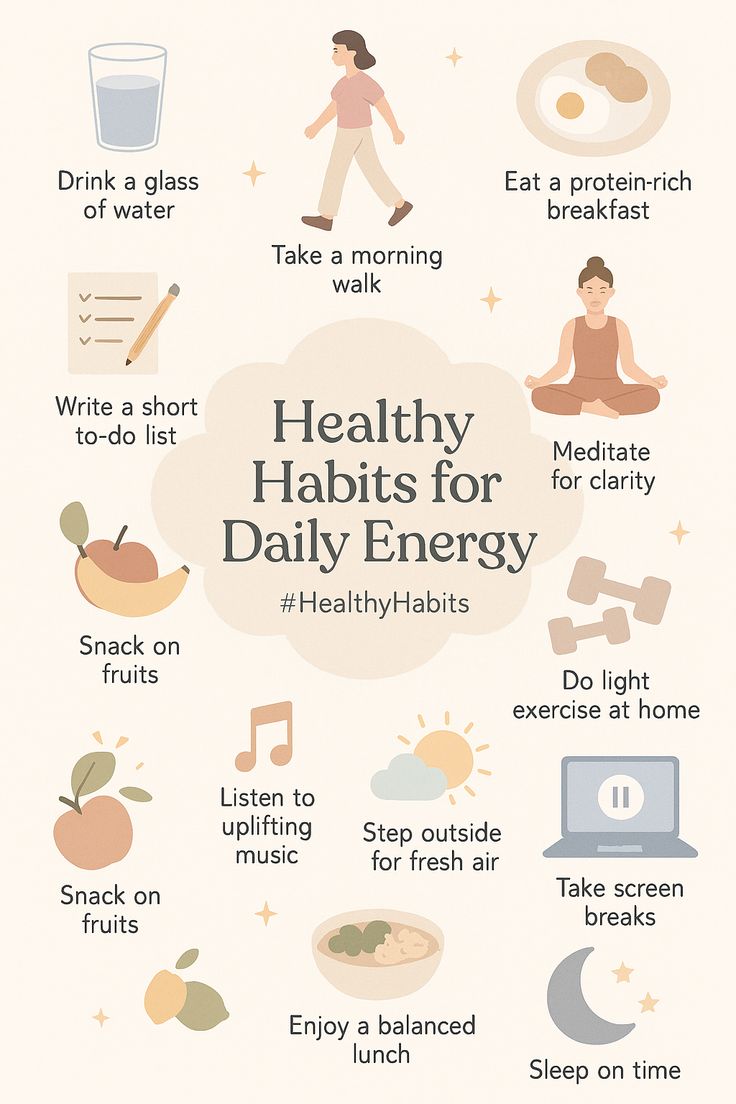
- Limit Screen Time: Reducing screen time, especially on social media, can minimize anxiety levels.
Benefits of Mindfulness and Meditation
Mindfulness and meditation are effective tools for reducing stress. Engaging in these practices can lead to:
- Improved focus and concentration.
- Better emotional regulation and resilience.
- Increased self-awareness and a sense of calm.
Impact of Social Connections
Strong social connections are critical for mental health. The benefits of having a supportive social network include:
- Lowered stress levels and improved coping mechanisms.
- Increased feelings of belonging and purpose.
- Enhanced emotional support during challenging times.
Sleep Hygiene
Good sleep hygiene is fundamental for overall health. Quality sleep contributes to better mood, cognitive function, and physical health.
Habits for Better Sleep Quality
Establishing habits that promote restful sleep can make a significant difference:
- Maintain a consistent sleep schedule by going to bed and waking up at the same time daily.
- Create a calming bedtime routine to signal your body that it’s time to unwind.
- Limit caffeine and electronic device usage in the hours leading up to bedtime.
Effects of Sleep Deprivation
Lack of sleep can have detrimental effects on health. Some consequences include:
- Impaired cognitive function and memory.
- Increased risk of chronic conditions like obesity and diabetes.
- Weakened immune response, leading to frequent illnesses.
Bedtime Routine for Restful Sleep
A well-structured bedtime routine can enhance sleep quality. Consider this sequence:
- Dim the lights and engage in relaxing activities such as reading.
- Practice gentle stretching or deep breathing exercises.
- Limit all forms of stimulation at least 30 minutes before bed.
Preventative Healthcare: Healt Tips
Preventative healthcare is crucial for early detection and management of potential health issues. Regular screenings and vaccinations play a vital role in maintaining good health.
Crucial Health Screenings, Healt Tips
Staying informed about necessary health screenings can prevent serious health conditions:
- Blood Pressure Checks: Monitor for hypertension and cardiovascular risks.
- Cholesterol Levels: Regular tests help detect risk factors for heart disease.
- Diabetes Screening: Early detection can lead to effective management.
Role of Vaccinations
Vaccinations are essential for preventing infectious diseases. They protect not only the individual but also the community by promoting herd immunity. Common vaccinations include:
- Influenza vaccine to reduce flu incidence.
- Tetanus booster to prevent serious infections.
- COVID-19 vaccine to minimize severe illness and transmission.
Personal Health Monitoring Plan
Creating a personal health monitoring plan encourages proactive health management:
- Set reminders for regular check-ups and screenings.
- Keep a health journal to track symptoms and changes.
- Engage with healthcare providers for tailored advice and support.
Hydration
Staying hydrated is vital for maintaining optimal health. Proper hydration supports various bodily functions and can affect energy levels and mood.
Role of Hydration
Hydration plays a fundamental role in overall health:
- Regulates body temperature through sweat.
- Supports digestion and nutrient absorption.
- Helps maintain joint lubrication, reducing discomfort.
Signs of Dehydration
Recognizing signs of dehydration is crucial for maintaining health:
- Dry mouth and increased thirst.
- Fatigue and dizziness.
- Dark yellow urine as an indicator of concentrated fluids.
Daily Hydration Schedule
Creating a hydration schedule can help ensure adequate water intake:
- Start your day with a glass of water upon waking.
- Drink a glass of water before each meal.
- Carry a reusable water bottle to encourage regular sipping throughout the day.
Healthy Habits
Establishing healthy habits contributes to long-term wellness. Small, consistent changes can lead to significant health improvements over time.
Daily Habits for Long-term Health
Incorporating beneficial habits into your daily routine can foster better health:
- Start your day with a healthy breakfast to provide energy.
- Incorporate physical activity into your daily schedule, such as walking or taking the stairs.
- Practice gratitude by noting three things you’re thankful for each day.
Strategies for Reducing Unhealthy Behaviors
Identifying and reducing unhealthy behaviors is key to improving health:
- Limit processed foods and sugars by meal prepping with wholesome ingredients.
- Cut down on screen time and engage in more active hobbies.
- Stay mindful of portion sizes to avoid overeating.
Establishing a Routine for Wellness
Creating a structured routine can support overall well-being:
- Set specific health goals and track your progress.
- Incorporate relaxation techniques like deep breathing into your day.
- Schedule regular check-ins with yourself to assess physical and mental health.
Health Myths and Facts
Understanding common health myths is critical in today’s information age. Misinformation can lead to poor health decisions and practices.
Common Health Myths
Debunking health myths can help individuals make informed decisions:
- Myth: Carbohydrates are always bad. Fact: Whole grains are an essential part of a balanced diet.
- Myth: You can spot-reduce fat. Fact: Weight loss occurs through overall body fat reduction.
- Myth: Supplements can replace a healthy diet. Fact: Whole foods offer nutrients that supplements cannot fully replicate.
Examples of Misinformation in Health
Misinformation can spread rapidly, making it essential to critically evaluate health claims:
- Fad diets often promise quick results but can be nutritionally inadequate.
- False claims about miracle foods that cure diseases without scientific backing.
- Overstated benefits of supplements without considering dietary sources.
Importance of Credible Health Sources
Relying on credible sources is vital for accessing accurate health information:
- Consult healthcare professionals for personalized advice.
- Refer to reputable health organizations for guidelines and research.
- Stay informed through peer-reviewed journals and evidence-based articles.
Chronic Disease Management
Managing chronic diseases involves a comprehensive approach that includes lifestyle adjustments and ongoing support.
Strategies for Managing Chronic Conditions
Effectively managing chronic conditions can enhance quality of life:
- Adhere to prescribed medications and regular check-ups.
- Implement dietary changes that align with your health needs.
- Engage in regular physical activity that suits your condition.
Checklist for Lifestyle Adjustments
Making lifestyle adjustments can mitigate risks associated with chronic diseases:
- Incorporate more fruits and vegetables into meals.
- Establish a regular exercise routine tailored to your abilities.
- Monitor health metrics such as blood pressure and glucose levels.
Resources for Support Groups

Connecting with support groups can provide encouragement and shared experiences:
- Look for local community health organizations that offer support groups.
- Utilize online platforms to engage with others facing similar health challenges.
- Seek out educational programs that provide resources for managing conditions effectively.
Work-Life Balance
Balancing work and personal life is essential for overall health. Striking the right balance can reduce stress and enhance productivity.
Importance of Work-Life Balance
Maintaining a healthy work-life balance can lead to improved well-being:
- Reduces the risk of burnout and chronic stress.
- Enhances job satisfaction and overall happiness.
- Allows for more time spent with family and pursuing hobbies.
Techniques for Managing Time Effectively
Effective time management is critical for achieving work-life balance:
- Prioritize tasks using a to-do list to stay organized.
- Set boundaries around work hours to protect personal time.
- Use time-blocking techniques to allocate specific periods for work and leisure.
Activities That Promote Relaxation
Engaging in relaxing activities outside of work can enhance mental well-being:
- Practice hobbies such as painting, gardening, or playing music.
- Schedule regular meet-ups with friends or family for social interaction.
- Explore mindfulness practices like yoga or meditation to unwind.